


Car insurance always seems straightforward—until, suddenly, you need it. That’s when all the little details start to matter, sometimes more than you’d expect. A lot of people think having “full coverage” means you’re protected from everything, but that’s just not true. A lot of people get a nasty surprise when they file a claim for an accident, theft, or damage—only to find out their insurance doesn’t actually cover what they thought it did. And with insurance costs climbing in 2026—thanks to inflation, pricey repairs, wild weather, and cars loaded with new tech—it’s even trickier.
That’s why a cut-rate policy doesn’t cut it anymore. You need to know what you’re really buying. Sure, the price tag matters, but the real shock comes from gaps in your coverage after something goes wrong.
So, let’s dig into what’s really included in “full coverage,” what’s left out, and how you can get smarter about your policy this year.
Car insurance full coverage usually means a policy that combines liability insurance, collision coverage, plus comprehensive coverage. Sounds complete. It isn’t. There is no official insurance policy called “full coverage.” It’s just a common term used by insurers and drivers.
This matters because many people assume it covers every possible situation. Wrong.
Full coverage usually takes care of:
Sounds like a lot, but it still leaves plenty out. Stuff like rental car coverage, roadside help, gap insurance, or rideshare protection isn’t part of the deal unless you add it yourself.
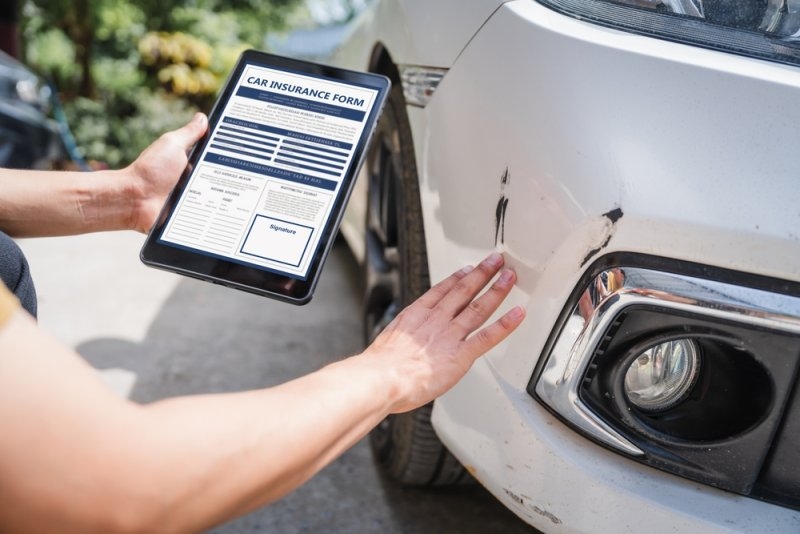
Collision coverage helps pay for damage to your car after an accident, regardless of fault, in many cases.
Your insurance price jumps around based on:
Collision pays for damage when you hit another car, a pole, or a barrier—or, really, most things you could crash into. But you’ll still have to pay your deductible first, and that bit often gets forgotten.
Comprehensive coverage handles non-collision damage. This may include theft, vandalism, hail, flooding, falling objects, or fire damage. Basically, events outside normal driving collisions.
For drivers in high-risk weather areas, this matters a lot, especially in 2026.
Insurance pricing is not random. Companies use multiple factors to calculate a car insurance estimate. Two drivers with similar cars can pay very different premiums.
Why? Risk. Insurers look at patterns, probability, and cost exposure.
Your age and driving history
Even changing your zip code can push your rate up or down.
A clean driving record usually lowers premiums. Tickets, accidents, DUIs, or repeated claims increase risk in the insurer’s eyes. Higher risk means higher cost.
Many insurers use car insurance groups to classify vehicles based on risk and expected claim cost. Insurance companies break cars into groups based on things like value, repair bills, performance, safety features, and how often the car gets stolen.
If your car’s in a lower group—think basic economy cars with cheap repairs—your insurance usually costs less. They’re simple to fix, easy to replace, and insurers rarely face sky-high claims.
On the flip side, high-performance or luxury cars land in the more expensive groups. They’re quick, valuable, and pricey to repair, so insurance companies charge more to cover them. Theft risk can also be higher.
Cheap insurance sounds good. Until claim time. The goal is not just cheap coverage. The goal is smart coverage at a fair price. That’s how drivers find affordable full coverage car insurance without creating dangerous gaps.
A higher auto insurance deductible usually lowers monthly premiums. That saves money upfront. But it means paying more out-of-pocket during a claim. Drivers should choose a deductible they can realistically afford. Not just the cheapest option.
A lot of insurers offer discounts if you bundle car insurance with your home or renters’ policy. Bundling can lower your rate but still offer good coverage. Discounts vary, but savings can be meaningful. Ask about all available discounts. Not just the advertised ones.
Shopping for car insurance got easier by 2026. Most insurers offer fast quote tools. But instant quotes are not always final prices.
Online quote tools let drivers compare coverage options quickly. You can jump online, try out different deductibles, tweak your liability limits, or add extras—all without getting stuck on the phone.
Bad information creates misleading quotes. Just make sure all your info—mileage, driving record, and car details—is accurate. If anything’s off, your price can change once the company reviews your application.
This is where problems happen. Many drivers think full coverage means full protection. It doesn’t. Coverage gaps can create major out-of-pocket costs after accidents.
This is the dangerous part.
The most common gaps people miss:
Leave any of those out, and you might regret it later.
Car insurance in 2026 is pricier, trickier, and, honestly, more critical than ever. Repairs aren’t cheap. Cars just keep getting more complicated. Weather events keep breaking records, and that means more claims. If you focus only on price, you could end up paying more in the long run when gaps pop up during a claim.
So, the smartest approach? Know exactly what “full coverage” really means—what’s there and what isn’t. Look at your deductibles, what’s optional, and the little details. Compare policies, ask your agent questions, and don’t just check the lowest price.
No. Full coverage won’t help with normal engine problems or breakdowns from wear and tear. That’s usually your warranty’s job—or it’s just out of your pocket.
Sometimes yes, sometimes no. Usually, insurance follows the car, not the driver. But rules change by insurer, so double-check if a “permissive” driver is actually covered under your policy.
Not usually. Most states just want you to have basic liability coverage. But if you’re leasing or financing the car, your lender will almost always demand full coverage until it’s paid off.
Depends. If your car isn’t worth much anymore, full coverage might cost more than it’s worth. Compare the insurance bill with what your car’s really worth before you decide.
This content was created by AI