

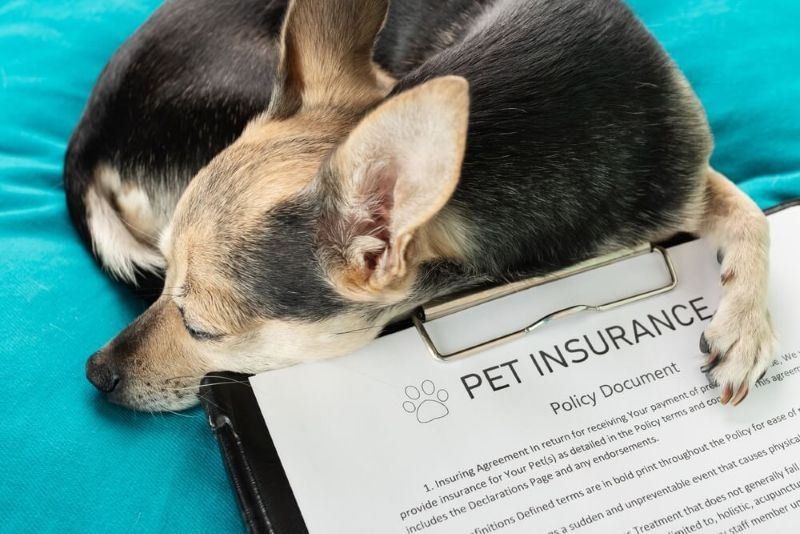
Owning a dog or a cat brings so much joy into a home, but it also costs money for vet visits. Getting pet insurance is one of the best ways to ensure you can always pay for a vet visit if your pet gets sick. There are many different types of pet insurance policies available that cover things like broken bones or swallowed socks. Understanding your pet insurance coverage helps you avoid big surprises when the bill comes. Let’s break it down and see how these plans work for your furry family members to keep them healthy.
Picking a plan feels like a big task because there are so many options out there today. The main goal of pet insurance is to help you manage the cost of unexpected accidents that happen at the park. Most pet insurance companies offer plans that let you go to any vet you like nationwide. Here is the thing: you usually pay the bill first, and then the company sends you the money back later. What this really means is that you need a little bit of savings on hand in case of an emergency.
When you buy a policy, you choose a deductible. If your dog gets a hurt paw and the bill is $500, you pay your deductible first. After that, the company pays a percentage of the remaining amount. This is a common way pet insurance companies keep their prices fair for everyone. It helps to have a lower deductible if you do not have much extra cash on hand for a rainy day.
Must Read: Navigating the Rising Demands of Modern Insurance Claims
Not every pet needs the same kind of help from a doctor. Some folks want a plan that covers everything, while others only want help for big disasters. Looking at the Types of Pet Insurance Policies helps you decide which policy best fits your budget. An accident-only plan is usually the cheapest because it does not cover illnesses like ear infections or tummy aches. On the other hand, a comprehensive plan covers almost everything that could go wrong with a kitty or a pup.
Let's break it down so it is easy to see the difference between these two main choices.
Every paper you sign will have a list of what is included and what is left out. Most pet insurance policies do not cover pre-existing conditions. What this really means is that if your cat was already sick before you bought the insurance, the company won't pay for that specific problem. This is why it is smart to get a policy while your pet is still a baby and very healthy. If you wait until they are old, it might be harder to find a good deal.
Even the best pet insurance companies have exclusions. You should read the fine print very carefully so you don't end up sad later.
We’ve Covered This in Detail Here: How to Appeal an Insurance Claim Denial – Steps to Act Now
Many famous names provide help for your animals. Each of the pet insurance companies has its own way of doing things, like using an app to send in your claims. Some companies are faster at sending money back than others are. You should look for a company that has been around for a long time and has good reviews from other pet parents. Here is the thing: the lowest price isn't always the best if they don't answer the phone when you need them.
Reading what other people say can save you a lot of headaches later on. Look for stories about how easy it was to get paid after a surgery.
Having a plan in place means you never have to choose between your wallet and your pet's life. Medical technology for animals has improved significantly, but it is also very expensive. Modern pet insurance coverage can help pay for treatments like cancer therapy or specialized surgeries that cost thousands of dollars. By looking at all the types of pet insurance policies, you can find a monthly price that you can afford. It is a small price to pay to know your best friend will always get the care they deserve.
As your pet grows, their needs will change, and your policy should be able to keep up. Most people keep the same company for their pet's entire life to avoid new pre-existing condition rules. What this really means is that your first choice is very important. Take your time to compare at least three different places before you sign any paperwork for your kitten or puppy.
Explore This Topic: Insurance Policy Exclusions in the US: What Is Not Covered?
Protecting your pet with a good plan is a smart move for every owner. By picking the right company and coverage, you keep your furry friend happy and healthy for many years. Don't wait for an accident to happen before you start looking at your options. Select a policy and secure your pet's future now.
Most companies require you to pay the vet yourself when you leave the office. You then take a picture of your receipt and send it to the insurance company. They will review it and send a check or a direct deposit to your bank account after a few days.
Yes, you can get a policy for an older animal, but the monthly price will be higher. Some companies also have an age limit: they won't issue a new policy if the pet is over 10 years old. It is always better to start early.
A waiting period is the time you have to wait after buying the plan before you can make a claim. For accidents, it might only be two days. For illnesses, it is often fourteen days. This prevents people from buying insurance only after their pet gets sick.
Only a few companies offer plans for birds, lizards, or rabbits. Most standard policies are just for cats and dogs. If you have a unique pet, you will need to search for a company that specializes in exotic animals to get the right kind of help.
This content was created by AI