

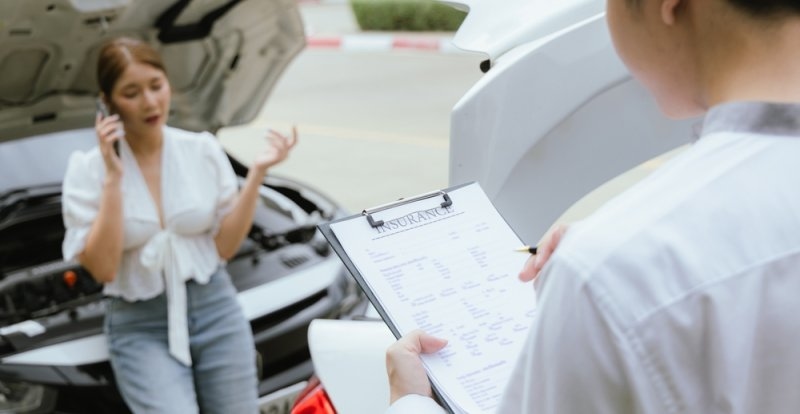
Dealing with a serious accident is tough—especially when the other driver doesn’t have insurance. Medical bills pile up, you might be out of work, and your car is probably a mess. That’s when your own uninsured motorist coverage can save you. Instead of relying just on the other driver for compensation, your own insurance might cover you, depending on the details of your policy and what your state allows.
You’ll still need solid evidence and careful paperwork, and the insurance company won’t always make it easy. In this guide, we’ll walk you through how to file an uninsured motorist claim after a bad crash, what your policy might cover, how negotiations with insurers generally go, and what mistakes can trip you up.
Being hit by an uninsured driver does not automatically mean you receive payment from your own insurer. First, the crash needs to be documented. Police reports, photographs, medical records, witness details, and insurance information can become important later.
If you were hit by an uninsured driver, avoid relying only on the other person's admission that they have no insurance. Verify it. Your insurer may also investigate whether the driver actually had an active policy at the time of the collision.
A serious injury changes the picture. Emergency treatment, surgery, physical therapy, or extended time away from work can create damages that are much larger than the initial vehicle repair bill.
Keep copies of:
These records give an uninsured motorist claim a factual foundation. Memory fades quickly after a crash. Documents do not.
Don't Miss: Car Insurance Full Coverage Costs, Limits, and Gaps in 2026
What is uninsured motorist insurance? It is coverage that, under what conditions and limits, may cover an insured individual who is at fault with no other coverage from the at-fault party. It has normally been intended for events that exceed the expenses covered by the insuring party's insurance.
What is uninsured motorist insurance in practical terms? Think of it as protection attached to your own auto policy rather than a payment source belonging to the other driver.
Coverage differs between policies. Limits, exclusions, notice requirements, and covered losses can vary. Some policies also contain underinsured motorist protection, which is different because the responsible driver has insurance but the available limits may be insufficient.
| Feature | Uninsured Motorist Coverage | Other Driver's Liability Coverage |
|---|---|---|
| Who provides coverage | Your insurer | At-fault driver's insurer |
| Main situation | Driver has no applicable insurance | Driver has active liability insurance |
| Claim begins with | Your policy | Other driver's policy |
| Limits | Based on your policy | Based on their policy |
| Investigation | Often still required | Usually still required |
This distinction matters when filing an uninsured motorist claim. Your insurer may investigate the accident, injuries, and policy requirements even though you are its customer.
Uninsured motorist coverage after a serious accident: what does it cover? It can cover the cost of physical harm when it comes to a party who was struck by a hit-and-run vehicle or has surgery for injuries they suffered in an accident with an uninsured vehicle, depending on the policy and jurisdiction. Some policies also include related protections, while property damage treatment can differ significantly.
What uninsured motorist coverage does not mean is that every expense automatically gets paid. Policy limits apply. Exclusions may apply too.
For example, imagine a driver suffers a broken leg, misses eight weeks of work, and needs continuing rehabilitation after being hit by an uninsured driver. The amount of damages recoverable, per medical expenses and missed income, is dependent on the applicable law and evidence and policy terms.
Read the actual policy rather than relying on a general description of uninsured motorist coverage. Look for coverage limits, notice provisions, exclusions, definitions, and requirements concerning medical examinations or cooperation.
A serious uninsured motorist claim can also involve questions about whether the claimant was occupying the insured vehicle, riding as a passenger, or otherwise covered under the policy.
Suggested Reading: After-Accident Claim Tips: Act Fast & File Your Claim Right
The strongest uninsured motorist claim is usually supported by consistent evidence. Medical records should connect the injuries to the crash. Income records should establish actual wage loss. Photographs can help show impact severity.
Do not inflate the claim. That can hurt credibility.
Insurers may request medical authorization, statements, or other documents. Read requests carefully before providing broad information. Keep your own complete copy of everything submitted.
Several issues can complicate an uninsured motorist claim:
Each problem has a different solution. The point is simple: organize the evidence before the negotiation becomes serious.
An uninsured motorist settlement is the amount agreed upon to resolve a covered claim. This could include any documented medical costs, lost income, pain and suffering damages, and any other losses the law permits to be recovered depending on the situation.
The first settlement offer is not necessarily the final value of the claim. But rejecting an offer without reviewing the evidence is also not a strategy by itself.
Consider this example. A claimant receives a quick offer after emergency treatment but has been advised that surgery may be required later. Accepting the offer before the medical picture becomes clearer could create problems because a signed release may prevent additional recovery.
| Issue | Early Settlement | Later Negotiation |
|---|---|---|
| Medical picture | May be incomplete | Often clearer |
| Evidence | Still developing | Usually stronger |
| Speed | Faster | Slower |
| Risk | Future losses may be uncertain | More information is available |
| Outcome | Depends on terms | Depends on evidence and negotiations |
An uninsured motorist settlement should be evaluated against the actual damages and policy limits, not just the immediate need for cash.
Also Read: Common Insurance Claim Denial Reasons: How to Avoid Them
Filing a claim isn’t just about handing in a form. You need to document everything: the accident itself, your injuries, your financial losses. Your policy sets the rules, and state law can add more hoops or deadlines.
If you’re hit by someone who didn’t have insurance, don’t assume your claim will be simple. Double-check your coverage, save your evidence, and really understand what your uninsured motorist settlement means before you sign anything. When you keep thorough records, you lay a stronger foundation for your claim and can avoid needless disputes.
Yes, you can usually switch doctors, but keep a record of why you changed. Any big unexplained gaps in treatment will catch the insurance company’s attention.
Yes, a passenger might have coverage, depending on whose policy applies and what the law says. The details depend on what cars are involved and the passenger’s connection to the policyholder.
Not always. A police report helps, but insurers and courts also look at photos, witness statements, physical evidence, and other stuff when deciding who’s at fault.
Yes, it’s possible. However, whether or not it is worth suing is dependent on what assets the driver has, on the state law, and if the cost and hassle make sense.
What you can claim may be from the driver's estate or from any insurance coverage that is available. The process moving forward will depend greatly on both the jurisdiction and the circumstances involved with the accident.
This content was created by AI